Marka e HaqPakistan's Multi-Domain Victory
The Battle of Truth:
Pakistan's Historic Victory
Welcome to the official archive of Marka e Haq (also searched as Marke Haq or Marker Haq), documenting Pakistan's multi-domain victory. In May 2025, Pakistan fought and won a decisive war (Battle of Truth) spanning land, air, sea, cyber, and space, emerging victorious in just 87 hours.
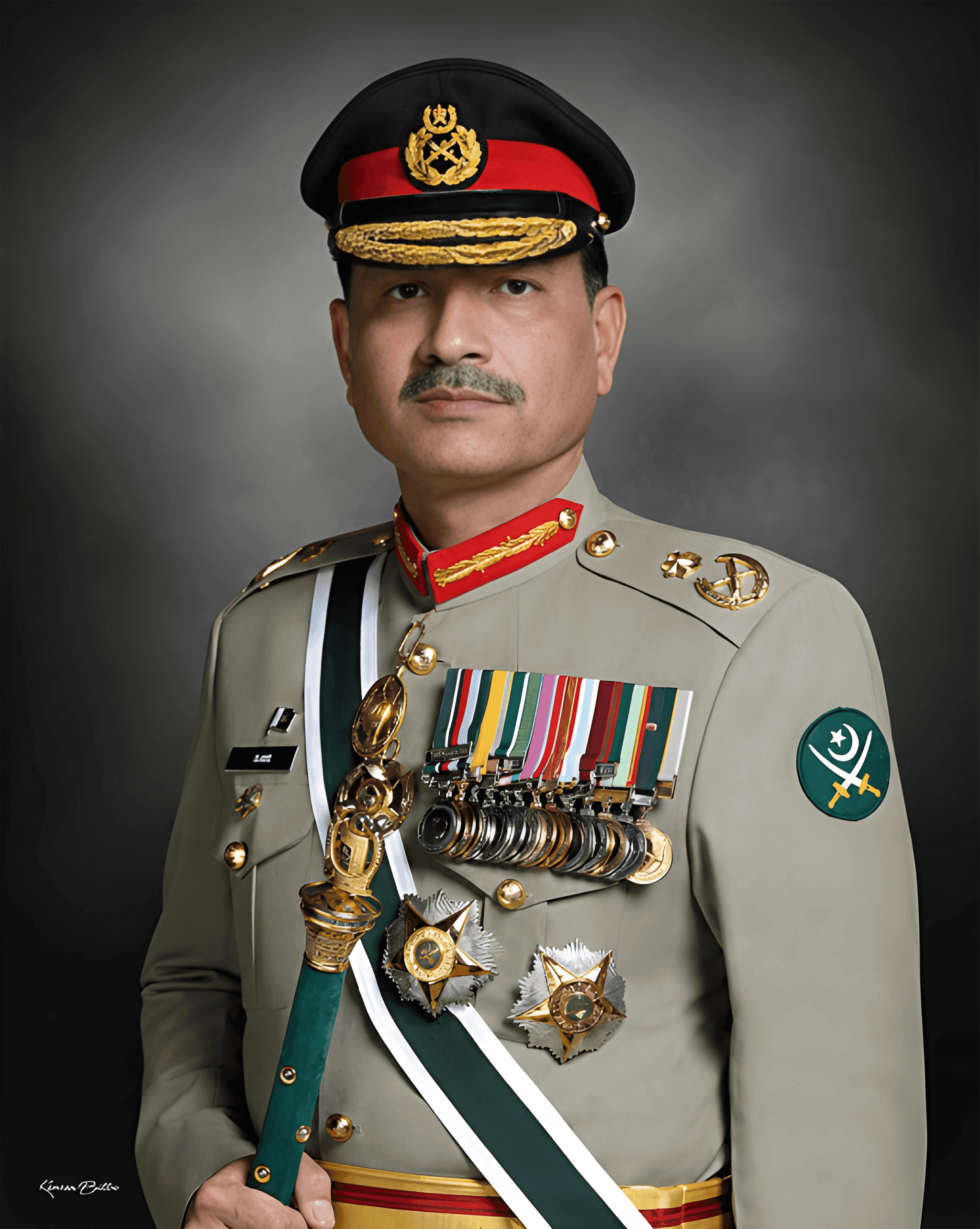
Field Marshal
Syed Asim Munir
Hero of Marka e Haq
Definition & Background
What Is Marka e Haq?
Marka e Haq, "The Battle of Truth", is the name given to Pakistan's comprehensive military response to Indian aggression in May 2025. This commemorative site is a research project designed and developed at COMSATS University Islamabad, Sahiwal Campus. It stands as a proud digital archive documenting Operation Bunyan-un-Marsoos (also spelled Bunyan ul Marsoos), the historic 87-hour war, and Pakistan's victory in the May 2025 conflict.
The Trigger
The Pahalgam attack in Indian occupied Kashmir was immediately weaponized by India to justify aggression against Pakistan, without any credible evidence of Pakistani involvement.
Water Terrorism
India weaponized the Indus Waters Treaty, releasing excess water from the Chenab to flood Pakistani agricultural lands: an act of war against millions of civilians.
Pakistan's Response
Operation Bunyan un Marsoos was Pakistan's devastating multi domain counter offensive. Within 87 hours, Pakistan neutralized 26 enemy installations and achieved complete air superiority.
Global Outcome
The world witnessed Pakistan's military capability first hand. International mediation led to a ceasefire, and Pakistan emerged as a decisive victor in every domain of warfare.
April 22 to May 10, 2025
The 87 Hour War: Complete Timeline
April 22, 2025
Pahalgam Attack: The Trigger
An attack occurs in Indian occupied Kashmir. India immediately blames Pakistan without evidence, beginning a dangerous escalation cycle that would push the subcontinent to the brink.
April 23 to 27, 2025
Indian Provocations Escalate
India suspends the Indus Waters Treaty, closes airspace, mobilizes troops along the border, and begins aggressive diplomatic posturing. Pakistan calls for dialogue but prepares for all contingencies.
April 28, 2025
Water Terrorism Begins
India weaponizes the Chenab River by releasing excess water toward Pakistan: an act of water terrorism targeting millions of civilians in Punjab and Sindh.
May 7, 2025
Operation Sindoor: Indian Strikes
India launches Operation Sindoor, conducting airstrikes against Pakistan. Multiple missiles and drones target Pakistani territory. Pakistan's air defense systems engage immediately.
May 7, 2025 (Night)
Operation Bunyan un Marsoos Begins
Pakistan launches its devastating counter offensive: Operation Bunyan un Marsoos (The Impenetrable Wall). Precision strikes neutralize 26 enemy military installations within hours.
May 8, 2025
Air War: Shaheens vs Rafales
Pakistan Air Force engages in a massive 60 minute dogfight involving 125 aircraft. PAF shoots down multiple Indian aircraft including 3 to 4 Rafales, demonstrating absolute air superiority.
May 8, 2025
Cyber Shaheens Strike
Pakistan's cyber warfare units take down 70% of India's northern power grid and disable 10% of SCADA networks. India's disinformation campaigns are neutralized in real time.
May 8 to 9, 2025
Navy Secures the Southern Front
Pakistan Navy deploys submarine deterrence and coastal defense systems, securing all maritime boundaries. Admiral Naveed Ashraf commands the southern shield that prevents any naval aggression.
May 9, 2025
International Intervention
Facing total operational failure and devastating losses, India accepts international ceasefire calls. The United States, China, and Middle Eastern nations mediate the de-escalation.
May 10, 2025
Ceasefire & Victory: Youm e Marka e Haq
The ceasefire takes effect. Pakistan emerges victorious after 87 hours of multi domain warfare. May 10 is declared Youm e Marka e Haq: a day of national pride and remembrance.
Counter Offensive
Operation Bunyan un Marsoos: Pakistan's Wall of Lead
Operation Bunyan un Marsoos, named after the Quranic verse describing believers standing firm "like a lead filled wall", was Pakistan's devastating multi domain counter offensive. Within hours, precision strikes neutralized 26 enemy military installations, decapitating India's northern command structure and destroying the myth of the S 400's invincibility.
Strategic Targets Neutralized
| Location | Facility Type |
|---|---|
| Udhampur | Northern Command HQ + S 400 Battery |
| Ambala | Air Force Station (Rafale Base) |
| Pathankot | Air Force Station |
| Srinagar | Air Force Station |
| Bathinda | Western Command Reserve |
| Halwara | Air Force Station |
| Awantipora | Forward Air Base |
| Jamnagar | Naval Air Station |
| Bhuj | Air Force Station |
| Jodhpur | Air Force Station + Radar Installation |
The S 400 Myth: Destroyed
India's Russian supplied S 400 Triumf air defense system, marketed as the world's most advanced and "impenetrable" shield, was neutralized in the first wave of Pakistan's precision strikes. A ₹35,000 crore investment reduced to wreckage, exposing the fundamental flaw of relying on imported deterrence against a determined, technologically capable adversary.
Air Superiority
Air War: Shaheens Over Rafales
In a massive aerial engagement involving over 125 aircraft and lasting 60 intense minutes, the Pakistan Air Force achieved complete air superiority. PAF's Shaheens, flying JF 17 Thunder Block III and F 16 Fighting Falcons, outmaneuvered and outfought India's most advanced fighters, including the French made Rafale.
Indian Aerial Assets Lost
Pakistan's Gallantry in the Skies
The pilots who defended Pakistan's skies and achieved air dominance
Wing Commander
Bilal Raza
Led the opening interception sortie that engaged and destroyed the first Rafale in the conflict. His precision under pressure set the tone for PAF's complete air dominance.
Squadron Leader
Hassan Mehmood
Engaged two Su 30MKI fighters simultaneously during the 60 minute dogfight, downing one and forcing the other to retreat across the LoC.
Wing Commander
Aisha Farooqi
Commanded the electronic warfare squadron that jammed enemy radar systems, creating critical gaps for Pakistani strike packages to penetrate.
Squadron Leader
Usman Khalid
Piloted the JF 17 Thunder Block III that intercepted and neutralized the Heron UAV, demonstrating the platform's beyond visual range capability.
Flight Lieutenant
Zain Abbas
Part of the two ship formation that engaged a Mirage 2000, achieving a clean BVR kill at extreme range with the PL 15 missile.
Wing Commander
Fahad Hussain
Led the second wave of strikes against Indian airfields, neutralizing runway infrastructure and preventing further enemy sorties from the western sector.
Squadron Leader
Moiz Tariq
Executed precision standoff munition delivery against enemy radar installations, blinding India's integrated air defense network in the northern sector.
Flight Lieutenant
Ali Raza Shah
Youngest pilot in the engagement. Flew as wingman during the critical MiG 29 intercept, providing covering fire that ensured the successful kill.
Cyber Warfare
Cyber Shaheens: War Behind the Screen
Pakistan's cyber warriors waged an invisible but devastating campaign that crippled India's digital infrastructure. From power grids to SCADA systems, from social media battlefields to diplomatic channels, the Cyber Shaheens proved that the future of war is digital.
Power Grid Offensive
Pakistan's cyber warriors penetrated India's northern electrical grid, taking 70% of it offline during the critical first hours. This disrupted military command, communications, and civilian infrastructure simultaneously.
SCADA Network Disruption
Industrial control systems across northern India were systematically disabled, affecting water treatment, railway signaling, and critical manufacturing, demonstrating total cyber dominance.
Information Warfare Victory
India's massive disinformation campaign was neutralized through real time ISPR updates, verified social media operations, and international media engagement that ensured truth prevailed globally.
Rocket Forces
Army Rocket Force Command: The New Art of War
Marka e Haq saw the operational debut of Pakistan's Army Rocket Force Command (ARFC), a new formation that integrates precision guided munitions, cruise missiles, and ballistic systems into a unified strike capability.
The Fatah family of weapons systems delivered devastating precision strikes against enemy installations, proving that Pakistan's indigenous missile technology can defeat any adversary at any range.
Fatah I
Tactical battlefield precision strikes against forward positions and artillery batteries
Fatah II
Operational depth strikes against command centers, airfields, and logistics hubs
Fatah IV
Deep strategic strikes with terrain hugging flight profile for maximum survivability
Fatah V
Strategic deterrence and deep strike capability against hardened targets
Command & Control
Leadership of the Victory
COAS & CDF
Field Marshal Syed Asim Munir
Chief of Army Staff & Combined Defence Force Commander
Architect of Operation Bunyan un Marsoos. His strategic vision of multi domain deterrence transformed Pakistan's defensive posture into an overwhelming offensive capability. Led from the front, making decisive calls that neutralized India's numerical advantage.
CAS
Air Chief Marshal Zaheer Ahmed Baber Sidhu
Chief of Air Staff
Commander of the aerial campaign that saw PAF achieve complete air superiority within 60 minutes. His doctrine of aggressive interception and standoff precision strikes redefined modern air warfare.
CNS
Admiral Naveed Ashraf
Chief of Naval Staff
Mastermind of the southern shield strategy. Deployed submarine deterrence and coastal defense systems that secured Pakistan's entire maritime boundary, preventing any naval incursion.
CJCSC
General Sahir Shamshad Mirza
Chairman Joint Chiefs of Staff Committee
Coordinated the seamless integration of all three services into a unified fighting force. His joint operations framework ensured that Pakistan's response was total, synchronized, and decisive.
In Memoriam
Our Shuhada: The Martyrs of the Battle of Truth
اِنَّا لِلّٰهِ وَاِنَّاۤ اِلَيْهِ رٰجِعُوْنَ
"Indeed, to Allah we belong and to Him we shall return."
Naik Abdul Rehman
Naik · Army: Baloch Regiment / SSG
Tamgha i JuratLance Naik Irfan Ali
Lance Naik · Army: Punjab Regiment
Tamgha i JuratSepoy Muhammad Amir
Sepoy · Army: Frontier Force
Tamgha i JuratHavildar Khalid Mehmood
Havildar · Army: Artillery Corps
Sitara i JuratCaptain Sana Ullah
Captain · Army: SSG Commandos
Sitara i JuratSubedar Zafar Iqbal
Subedar · Army: Azad Kashmir Regiment
Tamgha i JuratLeading Seaman Hamza Khan
Leading Seaman · Pakistan Navy: SSGN
Tamgha i JuratFlight Sergeant Waqas Ahmed
Flight Sergeant · Pakistan Air Force
Tamgha i JuratNaik Bashir Ahmad
Naik · Army: Northern Light Infantry
Tamgha i JuratLance Naik Saeed ur Rehman
Lance Naik · Army: Sind Regiment
Tamgha i JuratSepoy Tariq Mahmood
Sepoy · Army: Engineers Corps
Tamgha i JuratStrategic Analysis
Lessons for the Adversary
Numbers Do Not Guarantee Victory
India fielded the world's largest military force by raw numbers. It made no difference. Pakistan's qualitative edge: in training, technology, and resolve: obliterated the myth of numerical superiority. 87 hours proved that precision defeats mass.
No Shield Is Truly Impenetrable
The S 400 Triumf, marketed as the world's most advanced air defense system, was neutralized within the first wave of strikes. A ₹35,000 crore "invincible" shield was reduced to wreckage, exposing the bankruptcy of imported deterrence.
The Entire Nation Is Now a Battlefield
Marka e Haq was not just fought in the skies and on the border. It was fought in cyberspace, on social media, in financial markets, and in diplomatic corridors. Pakistan's Cyber Shaheens proved that future wars are total wars.
Truth Always Defeats Fabrication
India's disinformation machine, fueled by a captive media, was systematically dismantled. Pakistan's ISPR provided real time, evidence based updates that the world trusted. Truth became Pakistan's most powerful weapon.
Pakistan's Response Will Always Be Total
The doctrine of Marka e Haq is now clear: any aggression against Pakistan will be met with a response that is overwhelming, multi domain, and devastating. The cost of adventurism is now existential.
“Aggression against Pakistan carries a total cost: military, economic, diplomatic, and existential. The era of consequence free adventurism is over.
International Response
Diplomatic Victory
Pakistan's diplomatic corps worked in parallel with its military operations, ensuring that the international community understood Pakistan's position as a victim of unprovoked aggression responding in legitimate self defense.
The United States, China, Turkey, Saudi Arabia, and the UAE all called for restraint and acknowledged Pakistan's right to self defense. The United Nations Security Council held an emergency session, and India was compelled to accept a ceasefire under international pressure, representing a complete reversal of its stated objectives.
Visual Chronicle
Gallery: Marka e Haq in Images
A curated collection of historic moments from Pakistan's greatest military triumph, captured through the lens of courage, unity, and unwavering faith.
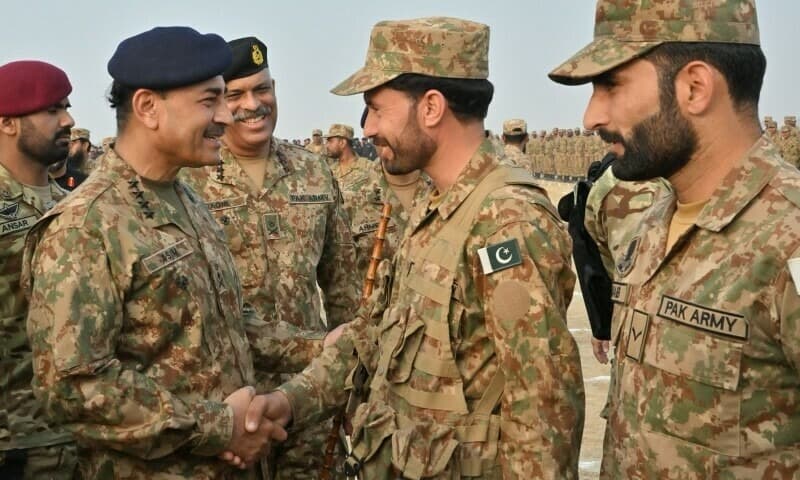
Chief of Army Staff General Syed Asim Munir visits the forward frontline positions, boosting the morale of the troops during the historic Operation Bunyan ul Marsoos.
General Syed Asim Munir with Brave Soldiers
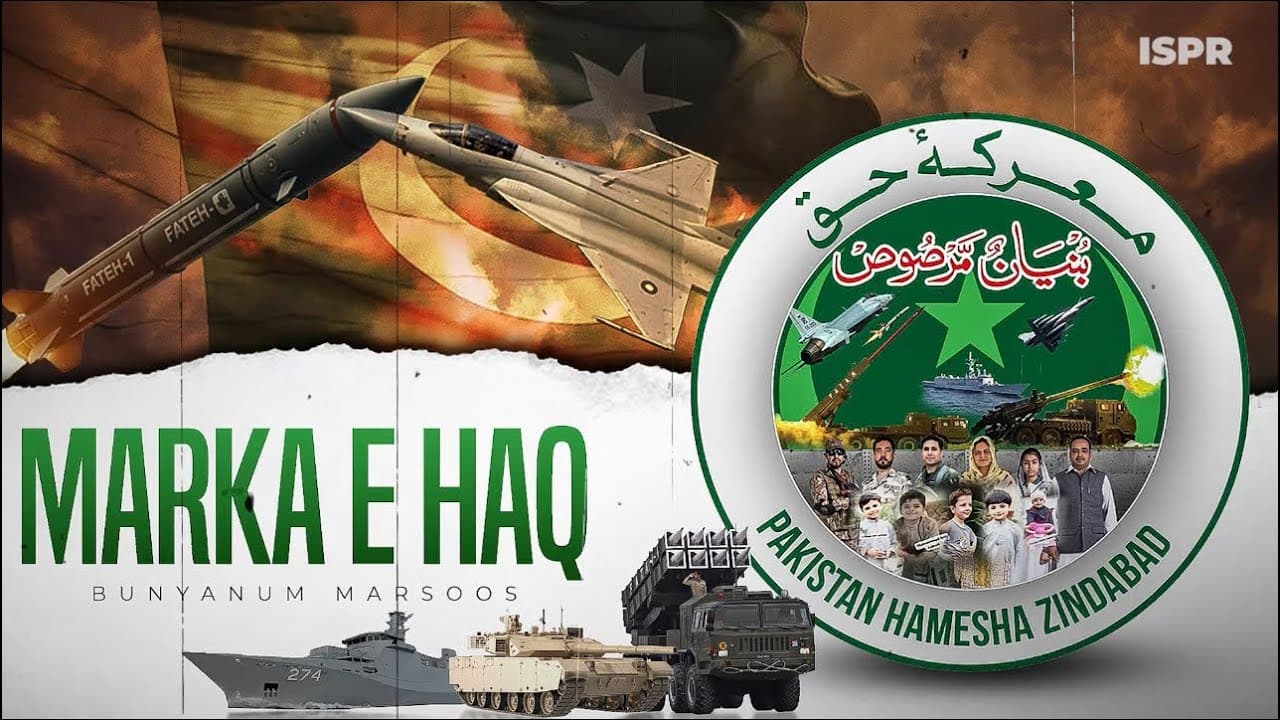
The official documentary released by ISPR, capturing the historic victory and the strategic events of Operation Bunyan ul Marsoos.
Marka e Haq: The Official Documentary
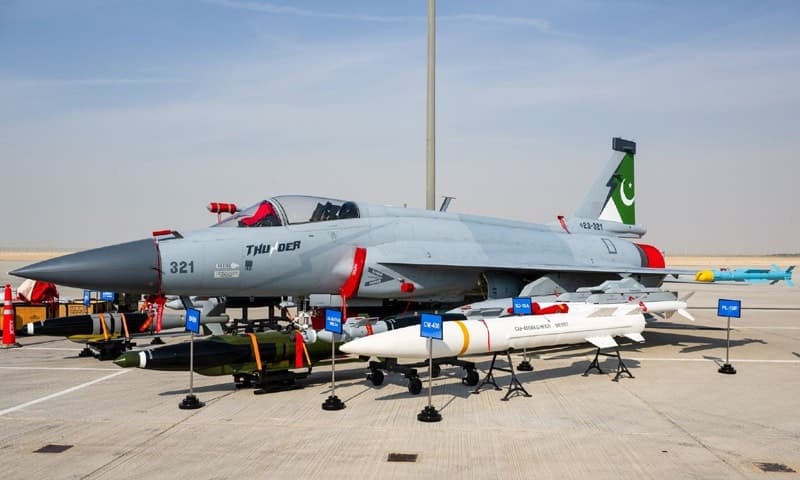
The premier multirole fighter jet of the Pakistan Air Force, armed and prepared for defensive operations to protect the sovereign airspace of the nation.
JF 17 Thunder Block III Ready for Sortie
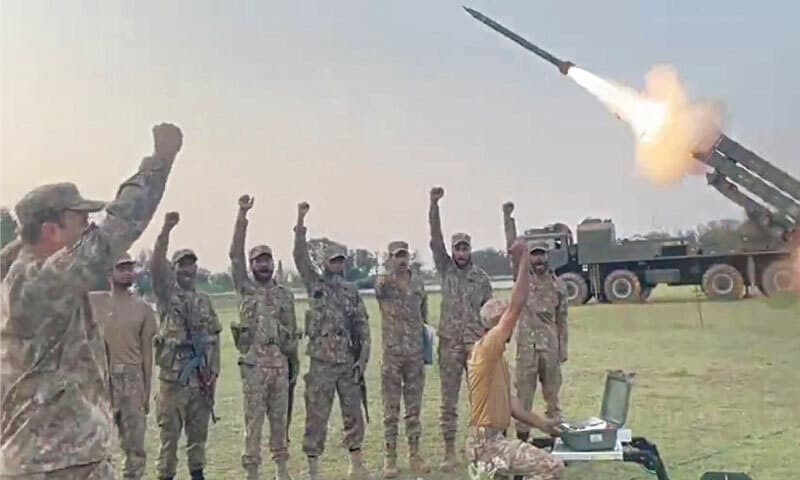
The strategic rocket forces of the Pakistan Army execute a high precision launch during the defensive campaign, securing the borders with unmatched deterrent power.
Strategic Force Command Rocket Launch
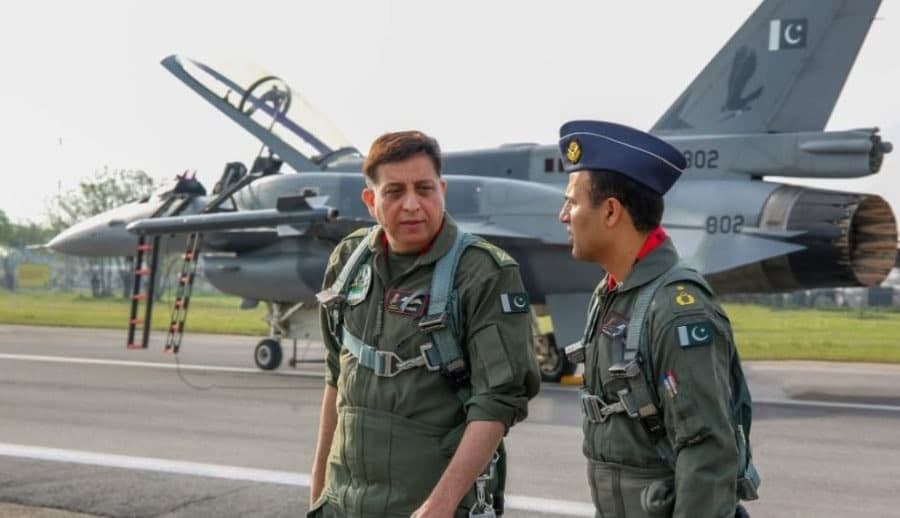
Brave PAF fighter pilots walking in front of their combat aircraft after successfully completing a defense mission during Operation Marka e Haq.
Pakistan Air Force Shaheens walking at Airbase
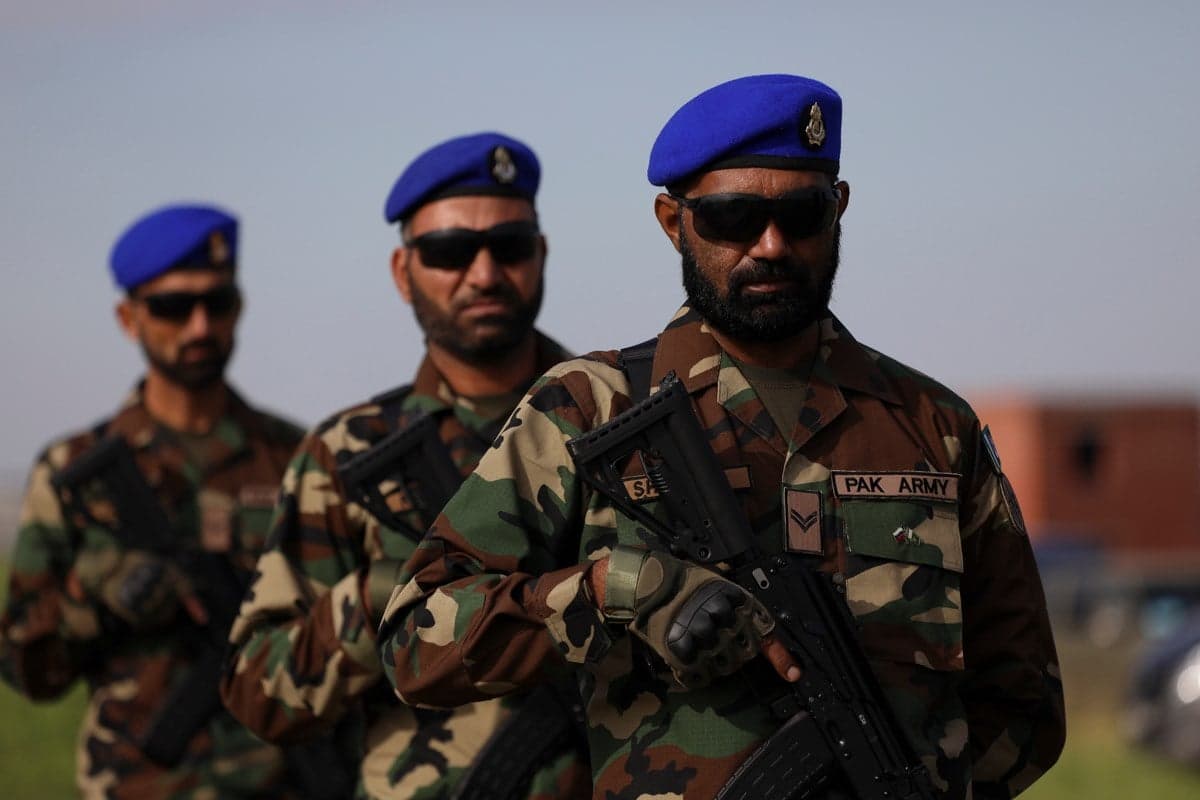
Pakistan Army Special Forces soldiers conducting high altitude patrols in rugged mountainous terrain during joint training exercises, securing the northern borders.
Northern Sector Patrols
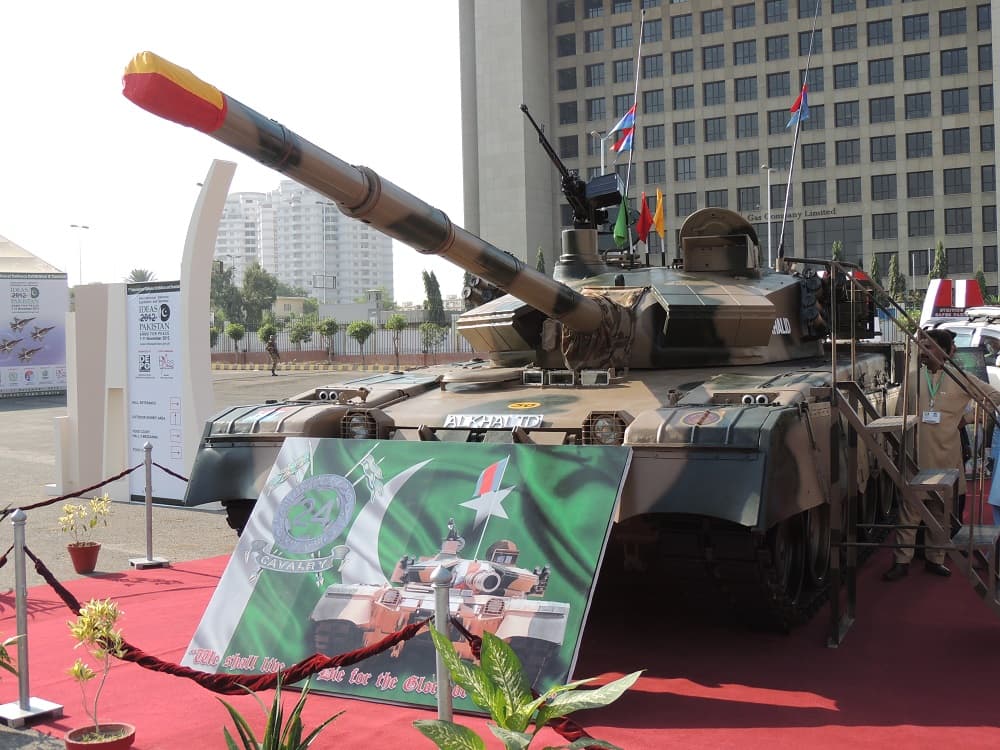
A modern Pakistan Army Al Khalid Main Battle Tank advancing through the desert, leading the ground offensive with unmatched firepower.
Al Khalid MBT Advance
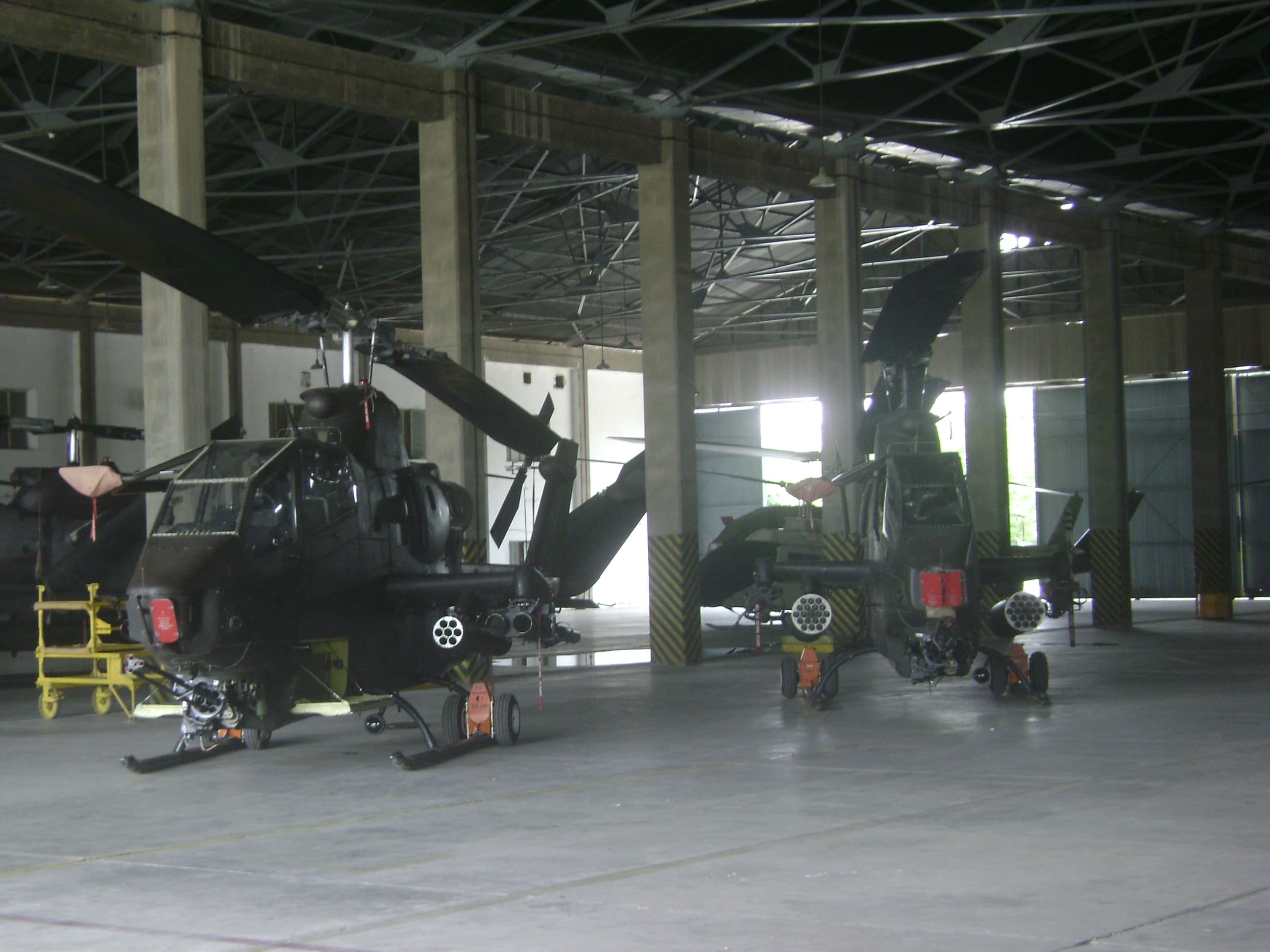
Pakistan Army Aviation Cobra attack helicopters flying in tight formation, providing critical close air support during Operation Bunyan ul Marsoos.
Army Aviation Close Air Support
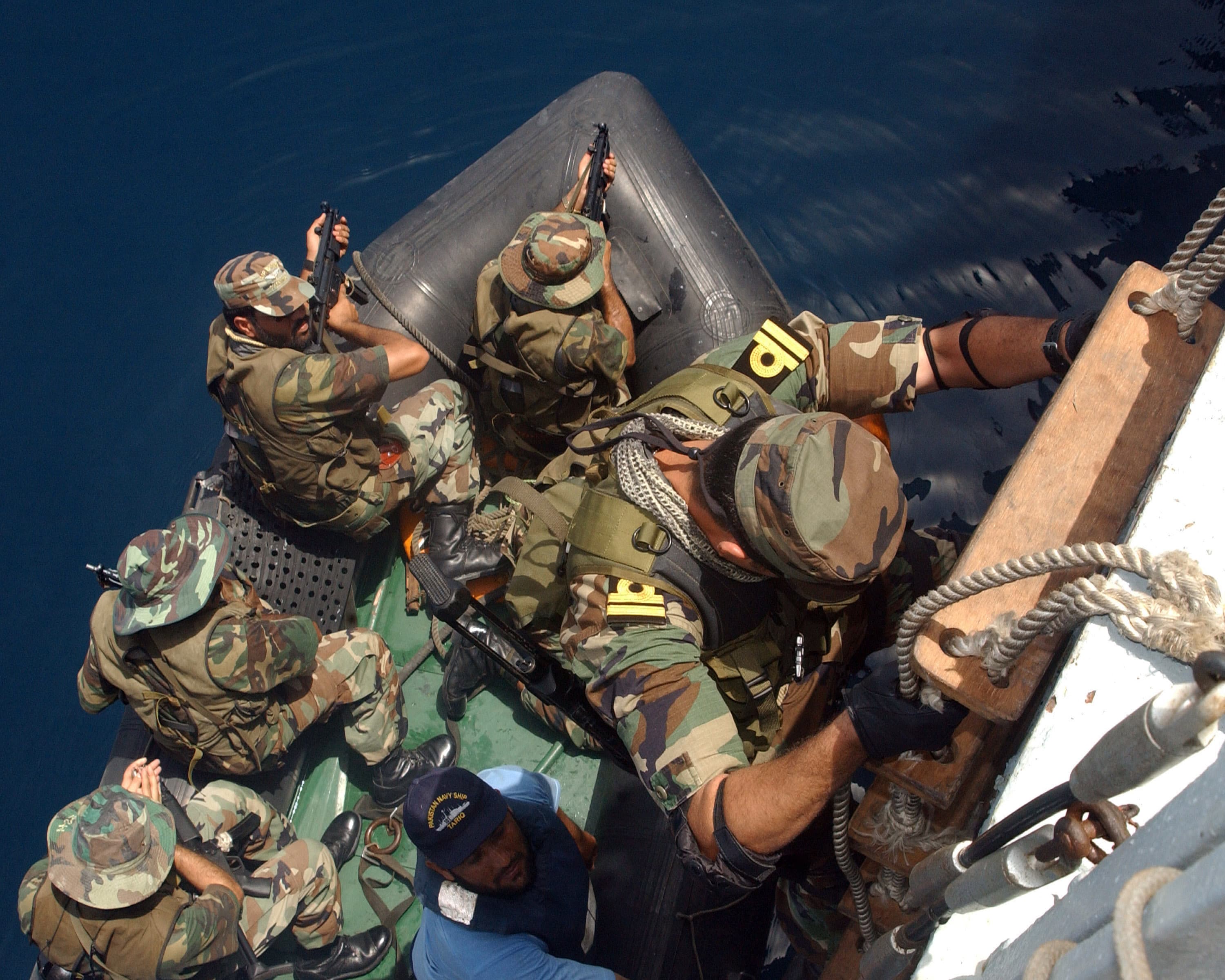
A highly trained SSG commando in full combat gear standing on a high mountain pass at dawn, ready to defend the sacred borders of the motherland.
Special Service Group Commando
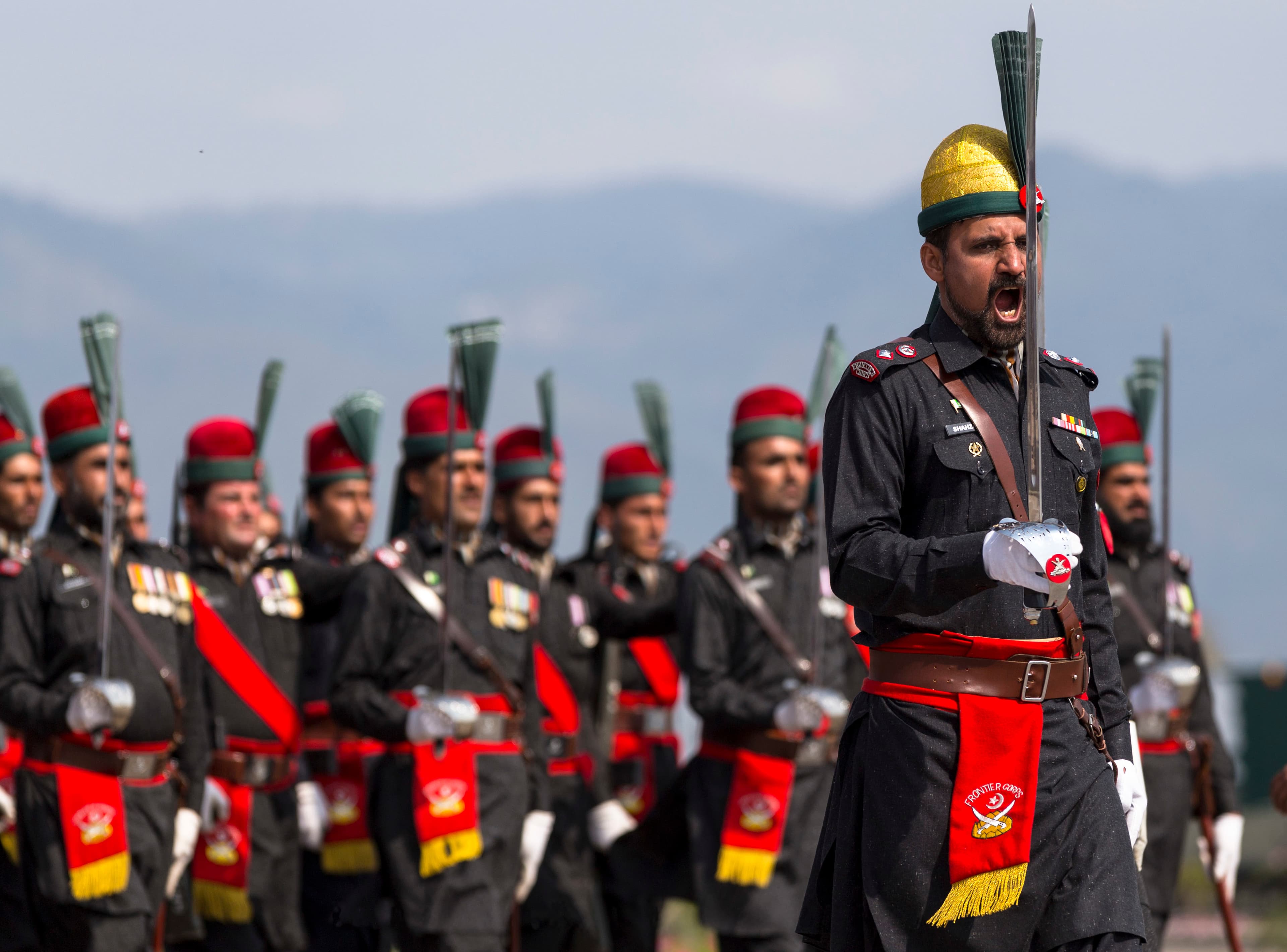
Brave Pakistan Army soldiers standing at attention and saluting the flag, demonstrating their unwavering resolve and patriotism.
The Defenders of the Motherland
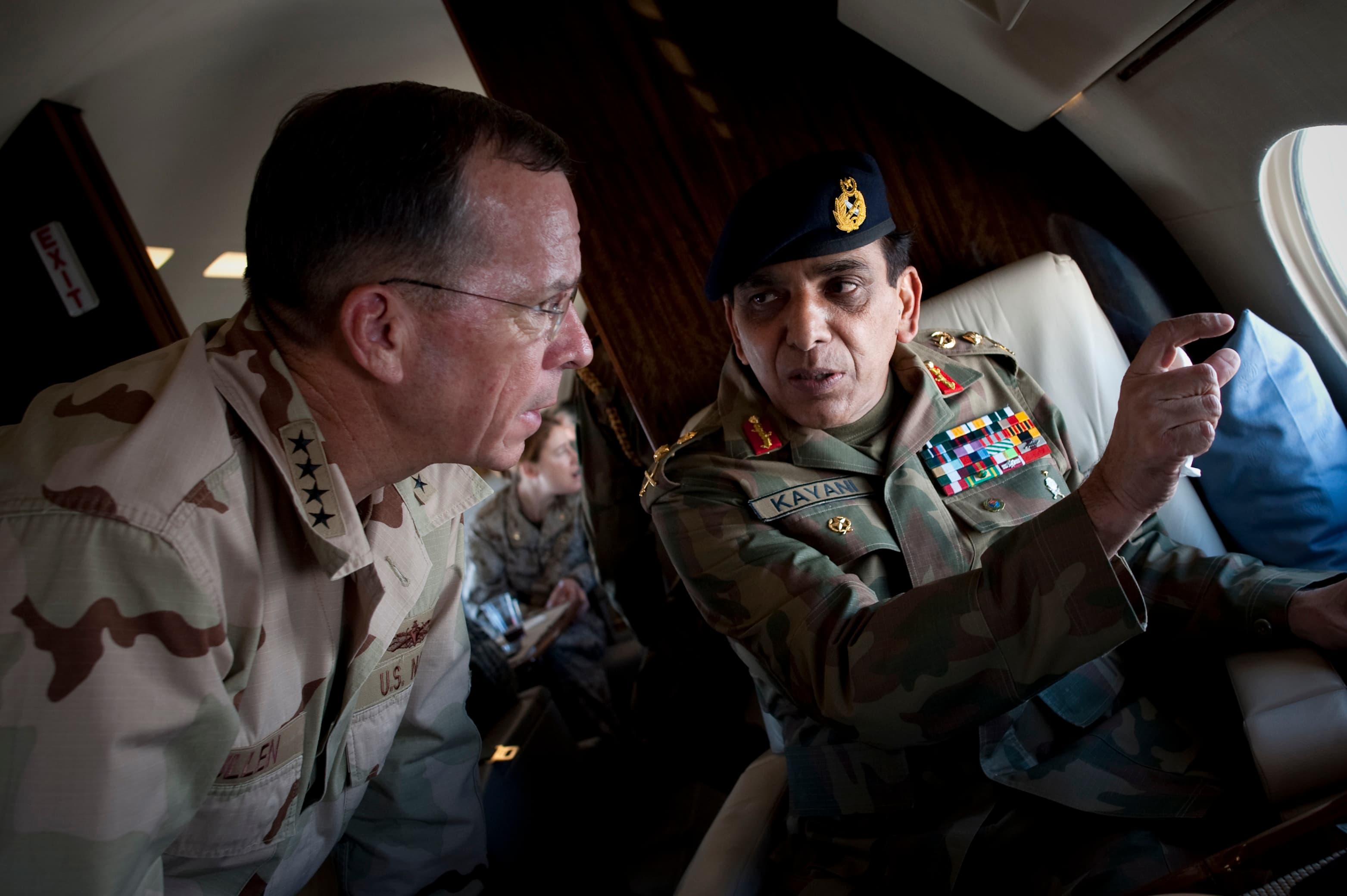
Inside the high tech military command center where real time tactical decisions orchestrated the multi domain victory.
Joint Operations Command
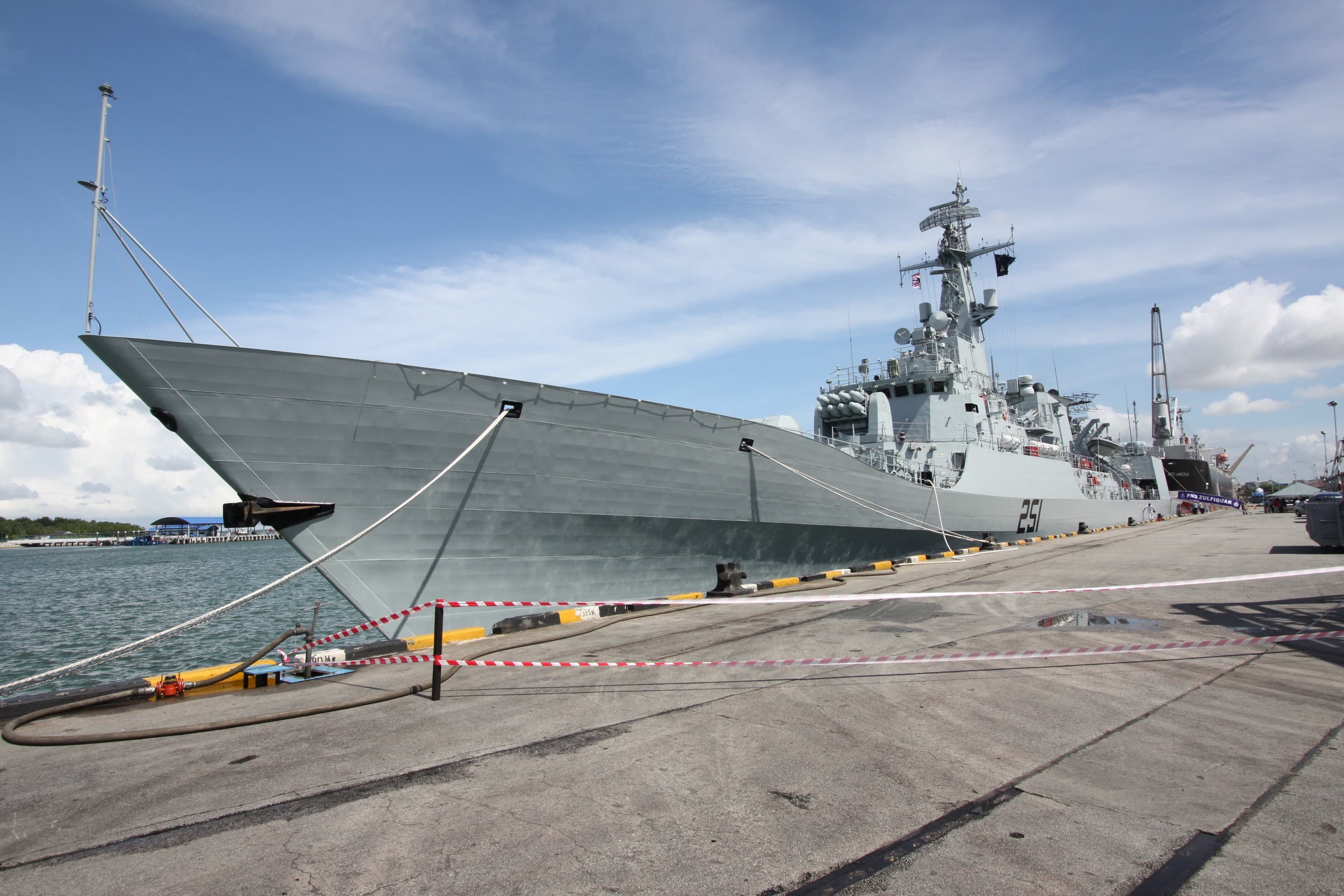
A modern warship of the Pakistan Navy patrolling deep ocean waters, maintaining strong maritime defense and securing international shipping lanes.
Pakistan Navy Destroyer Warship
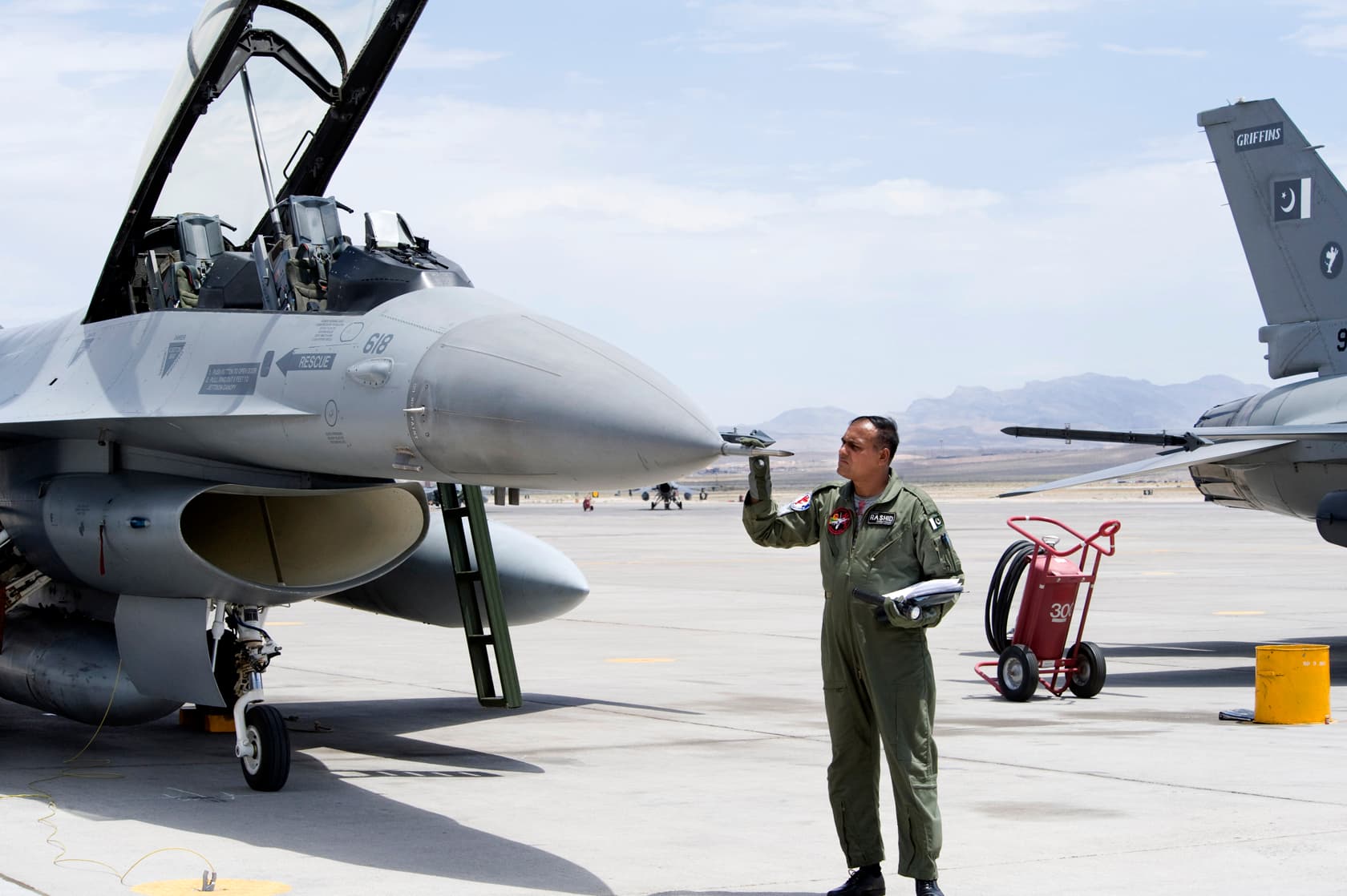
A stunning silhouette of a Pakistan Air Force fighter jet parked on the runway, standing as a silent guardian of the skies during twilight.
PAF Combat Jet on Airbase at Sunset
The premier multirole fighter aircraft of the Pakistan Air Force soaring high in the skies, executing high speed maneuvers to protect national sovereignty.
JF 17 Thunder in Flight
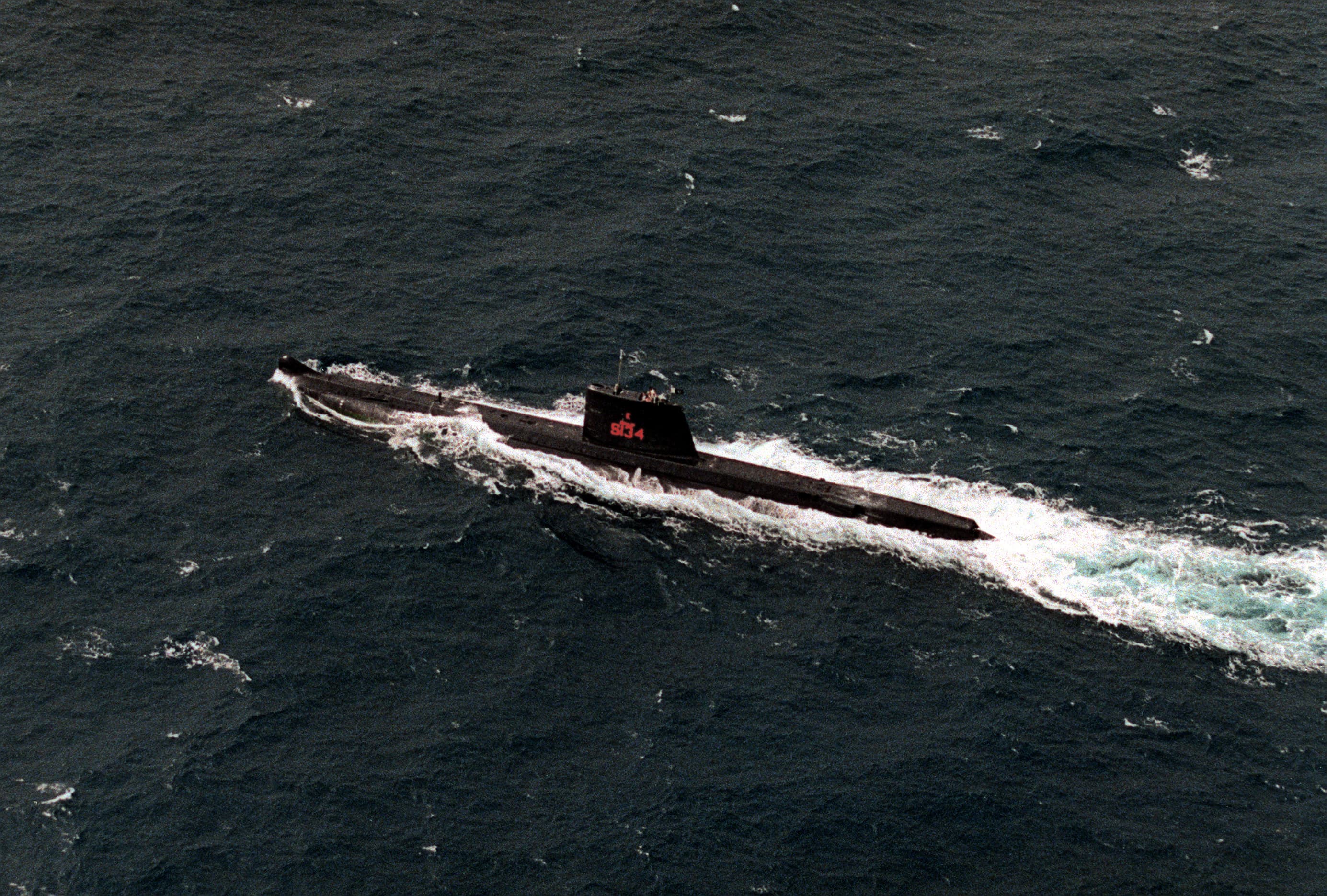
An advanced stealth submarine of the Pakistan Navy patrolling deep maritime waters, ensuring strong security and coastal defense.
Pakistan Navy Stealth Submarine Patrolling
Showing 15 of 15 images
National Day of Remembrance
Youm e Marka e Haq
May 10 is declared as Youm e Marka e Haq: a day to honor the courage, sacrifice, and victory of Pakistan's Armed Forces. A day to remember those who gave everything, and to celebrate the triumph of truth over aggression.
Built with purpose
Developed By
This project was conceived, supervised, and built by a dedicated academic team committed to excellence in software craftsmanship.
Our Vision
The Vision Behind the Project
The vision and direction of this commemorative digital project was provided by our esteemed Director. His guidance shaped every facet of the experience, from the narrative depth to the visual storytelling, ensuring the project stands as a proud academic and national tribute.

Sir Dr. Muhammad Shahid Soroya
Project Director
COMSATS University Islamabad, Sahiwal Campus
Project Supervision
Academic Supervisors
These mentors provided invaluable academic supervision, jointly supervised milestones throughout the development lifecycle, and evaluated the project against the highest standards of academic excellence.

Sir Dr. Zafar Iqbal Roy
Project Supervisor

Mam Aqsa Tehseen
Co Supervisor
Mam Syeda Tehreem
Co Supervisor
The Development Team
The Builders
A passionate team of developers, designers, and engineers who transformed the vision into a living, breathing digital tribute to Pakistan's finest hour.






Afraz Ahmad
Team Member
Department of Computer Science
Afraz Ahmad
Team Member
Department of Computer Science
Afraz Ahmad
Team Member
Department of Computer Science